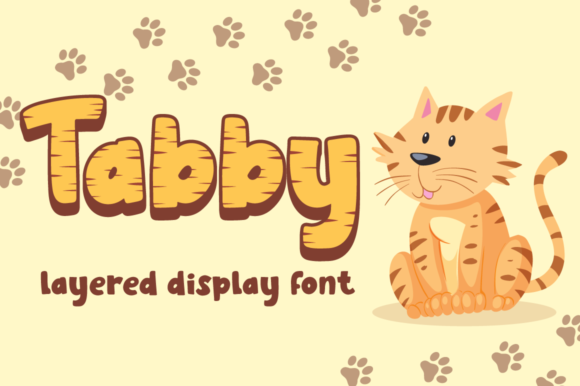
Tabby: A 3-Layered Display Font with a Unique 3D Effect
When it comes to typography, the right font can make all the difference in how a design is perceived. Enter Tabby, a striking display font that stands out not just for its visual appeal but also for its innovative structure. Unlike traditional fonts, Tabby is composed of three distinct layers that, when combined, create a unique 3D effect. This font is inspired by the intricate patterns found on a tabby cat’s fur, where every line and marking contributes to the overall look. The result is a typeface that feels both organic and modern, making it a versatile choice for a wide range of creative projects.
The Inspiration Behind Tabby
Tabby draws its name from the classic domestic cat known for its distinctive coat patterns. These patterns are formed through the natural distribution of pigment in the fur, creating a visually rich texture. The same principle applies to the font's design—each layer adds depth and dimension, mimicking the way light interacts with a cat’s fur. This attention to detail is what makes Tabby so special. It’s not just about aesthetics; it’s about storytelling through typography.
The inspiration behind Tabby extends beyond the visual. It reflects a broader trend in design where creativity and functionality go hand in hand. Designers today are looking for fonts that not only look good but also serve a purpose. Whether it's for branding, web design, or print materials, Tabby offers a fresh approach that aligns with contemporary design sensibilities.
How Tabby Works: The 3-Layered Structure
The core of Tabby lies in its three-layered structure. Each layer plays a specific role in creating the 3D effect. The first layer forms the base, providing the foundation for the entire design. The second layer introduces subtle shading and highlights, adding depth and contrast. The third layer brings everything together, ensuring that the final result is cohesive and visually engaging.
This layered approach allows for a high degree of customization. Designers can manipulate each layer independently, enabling them to experiment with different effects and styles. For example, adjusting the opacity of the second layer can create a more pronounced shadow, while modifying the third layer can enhance the overall clarity of the text.
The interplay between these layers also means that Tabby can adapt to various backgrounds and environments. Whether used on a bright website or a dark poster, the font maintains its impact without losing its essence. This flexibility makes it an excellent choice for designers who want their work to stand out in any setting.
Practical Applications of Tabby
One of the most compelling aspects of Tabby is its versatility. It can be used in a variety of contexts, from digital media to print design. In web design, Tabby adds a touch of sophistication to headers, logos, and call-to-action buttons. Its 3D effect catches the eye, making it ideal for creating a memorable user experience.
In print design, Tabby shines as well. It works beautifully on posters, brochures, and packaging, where the added dimension can elevate the visual impact. The font's unique character makes it particularly suitable for creative industries such as fashion, art, and entertainment. Brands looking to convey a sense of luxury or innovation may find Tabby to be the perfect fit.
Additionally, Tabby is well-suited for editorial and publishing projects. Its readability and visual appeal make it an excellent choice for magazine covers, book titles, and promotional materials. Designers can use it to create a strong visual hierarchy, guiding the viewer's attention to key elements of the design.
Why Choose Tabby Over Other Fonts?
While there are many beautiful fonts available, Tabby distinguishes itself through its unique combination of form and function. One of the primary reasons designers choose Tabby is its ability to create a 3D effect without sacrificing legibility. Many display fonts can be difficult to read at smaller sizes, but Tabby maintains clarity even when scaled down.
Another advantage of Tabby is its scalability. Whether used in a large-scale billboard or a small logo, the font retains its integrity. This makes it a reliable choice for projects that require consistent branding across multiple platforms.
Furthermore, Tabby is designed with modern workflows in mind. It supports a wide range of file formats, including SVG, WOFF, and TTF, ensuring compatibility with various design software and platforms. This ease of use makes it accessible to both beginners and experienced designers alike.
Considerations Before Using Tabby
Before incorporating Tabby into a project, it's important to consider a few factors. First, ensure that the font is compatible with the intended platform or medium. While Tabby is generally well-supported, some older systems or browsers may have limitations.
Second, think about the target audience. Tabby's bold and stylized appearance may not be suitable for all demographics. It’s best suited for projects that aim to make a statement or convey a sense of creativity and uniqueness.
Lastly, always check for licensing restrictions. Tabby may come with specific terms of use, especially if it's being used commercially. Understanding these terms ensures that you're using the font responsibly and within the allowed scope.
Real-World Examples of Tabby in Action
To better understand how Tabby can be applied, let's look at a few real-world examples. In one case, a fashion brand used Tabby for their campaign posters. The 3D effect helped the brand stand out in a crowded market, drawing attention to their latest collection. The font's unique design aligned perfectly with the brand's image of innovation and style.
Another example involves a music festival. The organizers used Tabby for their event signage and promotional materials. The font's eye-catching nature made it an instant hit with attendees, enhancing the overall atmosphere of the event. It became a symbol of the festival's identity, reinforcing brand recognition.
In the world of digital marketing, Tabby has been used to create engaging social media content. Influencers and brands alike have adopted the font to add a creative twist to their posts. The result is a more dynamic and visually appealing online presence, which can help drive engagement and conversions.
Conclusion
Tabby is more than just a font—it's a design tool that brings creativity and depth to every project it touches. Its three-layered structure, inspired by the elegance of a tabby cat, offers a unique 3D effect that sets it apart from other display fonts. Whether used in digital or print media, Tabby provides a versatile and impactful solution for designers seeking to make a statement.