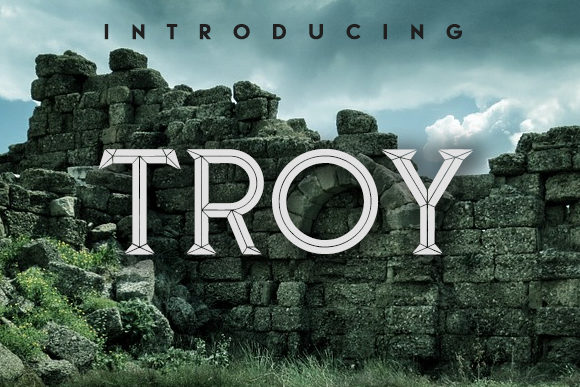
Troy: A Unique Display Font for Standout Design
Troy is a distinctive display font that brings an exclusive and eye-catching visual identity to any design project. Designed with a bold, elegant aesthetic, Troy is more than just a typeface—it's a tool that can elevate the look of your work, whether you're creating logos, headlines, or promotional materials. Its unique character set and stylized forms make it ideal for projects where a strong visual impact is essential.
Understanding Troy’s Role in the Design Process
In the world of graphic design, typography plays a crucial role in communication and aesthetics. Troy fits seamlessly into this landscape by offering a versatile yet striking option for designers looking to stand out. It's not just about making text readable; it's about making it memorable. Troy’s design is particularly well-suited for situations where a brand needs to make a statement—such as in branding, advertising, or editorial content.
The font’s structure allows it to work well in both digital and print formats, making it a valuable asset for creators across multiple platforms. Whether you're working on a website, a poster, or a social media campaign, Troy can help ensure your message is seen and remembered.
Where Troy Fits Into Your Workflow
Troy can be integrated at various stages of a creative project, depending on your goals. For instance, during the initial planning phase, using Troy in mockups or concept boards can help visualize how a final product might look. This early integration allows for quick iterations and adjustments before moving to the production stage.
During the execution phase, Troy can serve as a focal point in your design. Its boldness makes it perfect for headers, call-to-action buttons, or key messages that need to stand out. In the post-production stage, Troy can be used for final touches such as signage, packaging, or promotional banners, ensuring consistency across all touchpoints.
Its versatility also means it can be used in conjunction with other fonts. For example, pairing Troy with a clean sans-serif font for body text creates a balanced and professional look. This combination ensures readability while still allowing Troy to take center stage where it matters most.
Practical Implementation Tips for Using Troy
Integrating Troy into your workflow requires some preparation to ensure it works well with your existing tools and processes. Here are a few practical tips:
- Check Compatibility: Ensure that Troy is compatible with the software and platforms you use. Most modern design tools like Adobe Illustrator, Photoshop, and InDesign support custom fonts, but it's always good to verify.
- Test Different Sizes: Troy’s design may change significantly when scaled down. Always test its appearance at different sizes to ensure it remains legible and visually appealing in all contexts.
- Use in Context: Consider how Troy will be used in real-world scenarios. Will it be viewed on a mobile screen, printed on a billboard, or displayed in a physical space? Adjust its application based on these factors.
- Balance with Other Elements: While Troy is bold and unique, it should complement rather than overpower other design elements. Use it strategically to highlight key parts of your message.
By following these guidelines, you can ensure that Troy enhances your designs without overwhelming them.
Workflow Examples: How Troy Enhances Different Projects
Troy is a great fit for a wide range of projects. Let’s explore a few examples:
Branding and Logo Design
When designing a logo, Troy can serve as the primary typeface, helping to establish a brand’s identity. Its unique style adds a level of sophistication and memorability that can differentiate a brand from competitors. For instance, a luxury fashion brand might use Troy for its logo to convey elegance and exclusivity.
Marketing and Advertising
In marketing campaigns, Troy can be used to create attention-grabbing headlines or slogans. Its bold nature makes it ideal for posters, billboards, and online ads where visibility is key. For example, a tech startup launching a new product might use Troy in its promotional materials to emphasize innovation and cutting-edge design.
Education and Learning Materials
Troy can also be used in educational settings, such as course materials or presentations. When used appropriately, it can add a creative flair to otherwise standard content. For instance, a teacher might use Troy for headings in a lesson plan to make it more engaging for students.
Personal Projects and Creativity
For personal projects, Troy offers a way to express individuality. Whether you're creating a portfolio, a blog, or a handmade item, using Troy can give your work a unique character. It’s a great choice for those who want to stand out and leave a lasting impression.
Ensuring Long-Term Use and Consistency
While Troy is a powerful tool, its effectiveness depends on how well it’s integrated into your workflow. To ensure long-term use and consistency, consider the following:
- Organize Your Assets: Keep Troy in a dedicated folder within your design library so it’s easily accessible when needed.
- Document Usage: Note down specific use cases and best practices for Troy so you can refer back to them in future projects.
- Stay Updated: Check for updates or new variations of Troy to ensure you’re always using the latest version.
- Train Your Team: If you're working in a team, make sure everyone understands how to use Troy effectively and responsibly.
By maintaining organization and staying informed, you can maximize the benefits of Troy and ensure it continues to serve your creative needs over time.
Conclusion
Troy is more than just a font—it's a design tool that can enhance your work in meaningful ways. Whether you're a professional designer, a small business owner, or a hobbyist, Troy offers a unique opportunity to make your projects stand out. By understanding how to integrate it into your workflow, you can unlock its full potential and create designs that are both beautiful and effective.