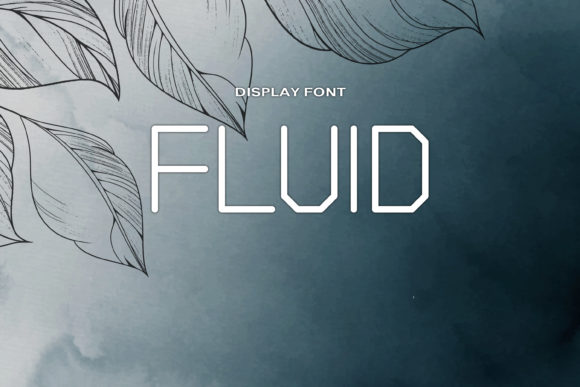
Fluid Font: A Modern Design Solution for the Future
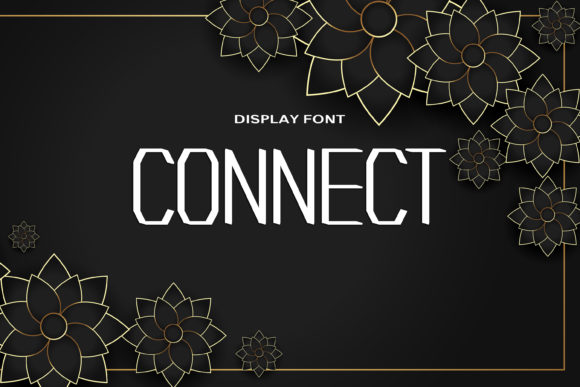
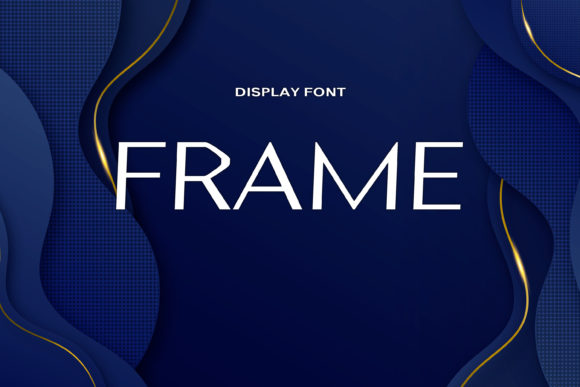
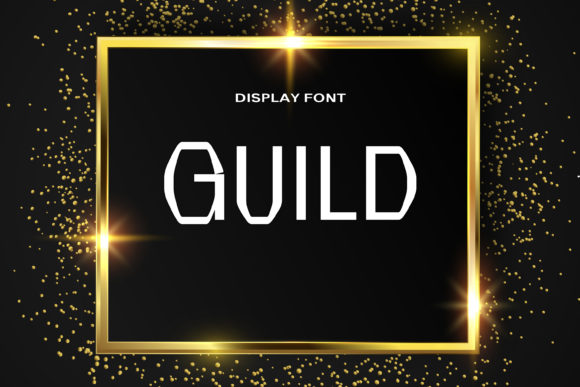
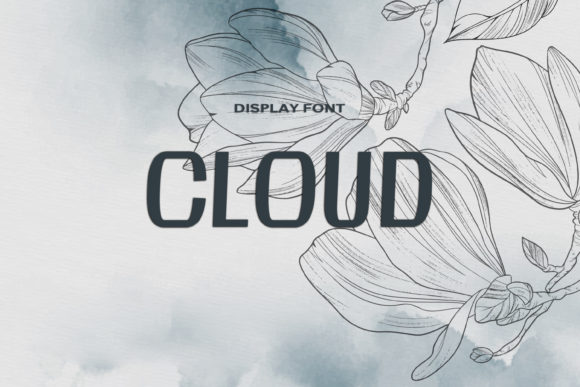
When it comes to typography, the right font can make all the difference. Fluid, a thin and unique display font, offers a fresh approach to visual communication. Its geometric shape and clean lines bring a sense of modernity and clarity that aligns perfectly with today’s digital-first world. Whether you're designing a website, creating branding materials, or crafting content for a digital platform, Fluid adds a touch of sophistication that stands out.
The Essence of Fluid
Fluid is more than just a font—it's a design language. With its minimalist structure and elegant curves, it strikes a balance between simplicity and impact. Unlike traditional serif or sans-serif fonts, Fluid has a distinct geometric form that makes it highly versatile. It’s designed to be readable at small sizes while maintaining visual appeal at larger scales.
The font’s thin stroke weight gives it a delicate yet strong presence. This characteristic makes it ideal for applications where subtlety and clarity are key. The sharp angles and smooth transitions in Fluid create a modern aesthetic that feels both contemporary and timeless.
Why Choose Fluid?
- High readability: Despite its thin design, Fluid ensures legibility across various screen sizes and resolutions.
- Visual uniqueness: The font’s geometric nature sets it apart from conventional typefaces, making it memorable.
- Adaptable: From headlines to body text, Fluid works well in different contexts without losing its character.
- Modern appeal: Perfect for brands looking to project innovation, creativity, and forward-thinking values.
Applications Across Industries
Whether you're a designer, marketer, educator, or entrepreneur, Fluid can enhance your work in meaningful ways. Let’s explore some real-world applications:
Professional Environments
In professional settings, Fluid can elevate the look of presentations, reports, and dashboards. Its clean and modern appearance helps convey professionalism while keeping the message clear and engaging. For instance, a financial analyst might use Fluid to highlight key data points in a report, ensuring the information is both visually appealing and easy to digest.
Education and Learning
For educators and content creators, Fluid offers a fresh way to present information. Its geometric style can help break up long blocks of text, making learning materials more engaging for students. A teacher might use Fluid in a lesson plan or infographic to draw attention to important concepts without overwhelming the reader.
Creative and Digital Projects
Designers and developers often seek fonts that can adapt to different platforms and formats. Fluid fits this need perfectly. Whether it's for a website, app interface, or social media post, the font maintains its integrity across various mediums. Its thin strokes also allow for creative effects like outlines or gradients, adding depth and dimension to digital designs.
Branding and Marketing
Branding is about making an impression, and Fluid can play a significant role in that. Its unique design can become a signature element of a brand’s identity. Consider using Fluid in logo design, packaging, or promotional materials to create a cohesive and memorable visual experience. For example, a tech startup might incorporate Fluid into its branding to reflect innovation and modernity.
Practical Considerations
While Fluid offers many benefits, it's important to consider its limitations and how best to use it. Here are some practical tips:
- Use it strategically: Fluid is most effective when used as a headline or accent font rather than for large blocks of body text.
- Test on different devices: Ensure the font renders well on all screen types, including mobile and tablet displays.
- Pair with complementary fonts: Combine Fluid with a more traditional font for contrast and balance in your design.
- Consider accessibility: Always test the font for readability, especially for users with visual impairments.
Real-World Examples
Several companies and designers have successfully integrated Fluid into their projects. One notable example is a digital marketing agency that used Fluid in their campaign visuals to create a sleek and modern feel. Another case involved a creative agency that applied Fluid to a series of posters, resulting in a striking and eye-catching design that resonated with the target audience.
These examples demonstrate how Fluid can be adapted to suit a wide range of needs and styles. Its versatility makes it a valuable tool for anyone looking to add a unique touch to their visual content.
Conclusion
Fluid is more than just a font—it’s a design solution that brings clarity, creativity, and modernity to any project. Its geometric shape and clean lines make it ideal for a variety of applications, from branding to digital content creation. By understanding its strengths and limitations, you can effectively incorporate Fluid into your work and enhance your overall design strategy.