High: A Versatile Display Font for Modern Design
The world of typography is constantly evolving, and one font that has gained significant traction in recent years is High. This thick, lettered, and authentic display font offers a unique visual identity that can elevate any design project. Whether you're working on branding, web development, or print materials, understanding the characteristics, advantages, and applications of High can make a substantial difference in your creative output.
The Visual Identity of High
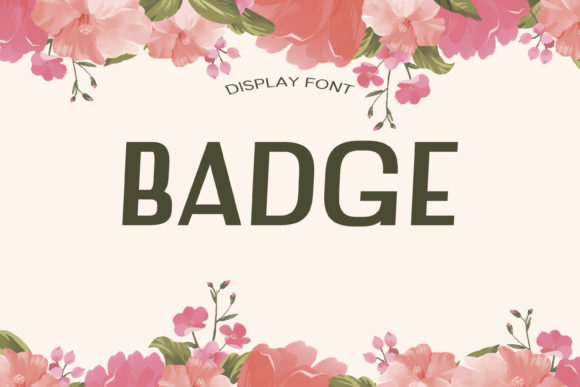
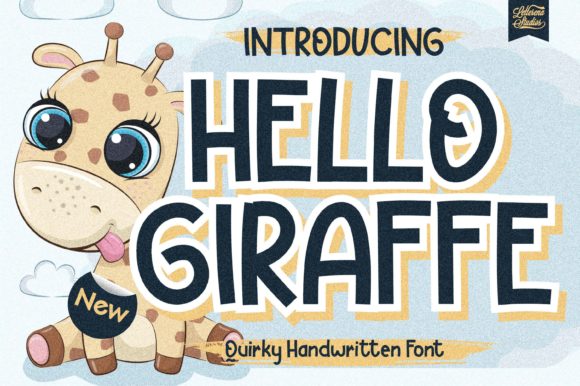
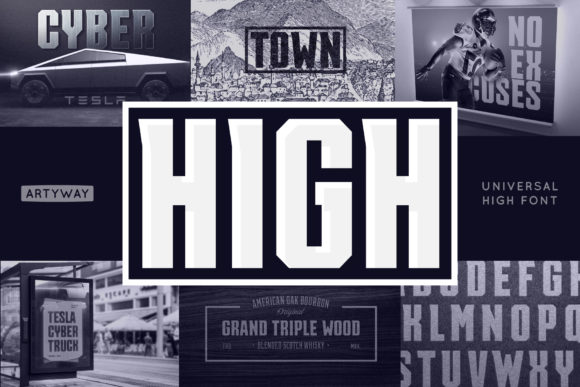
High stands out due to its bold and impactful design. The font features thick strokes that give it a strong presence on the page, making it ideal for headlines, logos, and other prominent text elements. Its authenticity comes from its handcrafted feel, which adds a sense of character and personality to any design. Unlike many digital fonts that prioritize consistency over individuality, High embraces imperfection, giving it a more human touch.
The letterforms in High are well-proportioned and balanced, ensuring readability even at larger sizes. This balance between strength and clarity makes it suitable for both digital and print environments. Its versatility allows it to be used across various platforms, from websites to posters, without losing its visual appeal.
Why High is a Great Choice for Designers
One of the main reasons High is becoming a favorite among designers is its ability to convey confidence and authority. The thick, bold strokes create a sense of power and impact, which is particularly useful in branding and marketing materials. When used as a headline, High can draw attention immediately, making it an excellent choice for calls to action, product names, and other key messaging elements.
Additionally, High is highly adaptable. It can be paired with lighter, more delicate fonts to create contrast and balance in a design. This flexibility makes it a valuable asset in a designer’s toolkit. Whether you're creating a website, a social media post, or a physical brochure, High can be tailored to fit the specific needs of the project.
Another advantage of High is its wide range of use cases. It is not limited to just headlines or logos; it can also be used for body text, especially when paired with a complementary font. Its thick strokes provide a strong visual anchor, making it easy to read even at smaller sizes. This adaptability ensures that High remains relevant across different design contexts.
Use Cases for High in Real-World Applications
Let’s explore some practical examples where High can be effectively utilized:
- Branding and Logo Design: High is perfect for creating strong, memorable brand identities. Its bold appearance can help reinforce a company's image as confident and reliable.
- Web Development: On websites, High can be used for headers, navigation menus, and promotional banners. Its thickness ensures it stands out against background images or colors.
- Print Materials: From brochures to packaging, High adds a tactile quality that can enhance the overall experience of printed materials.
- Social Media: In the fast-paced world of social media, High can quickly capture attention with its striking visuals, making it ideal for posts, ads, and announcements.
Each of these use cases highlights how High can be applied in different ways to meet the needs of various audiences and industries. By understanding the strengths of the font, designers can make informed decisions about when and how to use it effectively.
Considerations When Using High
While High offers numerous benefits, there are a few considerations to keep in mind:
- Readability: Although High is designed for readability, it may not be the best choice for long blocks of text. It works best when used in combination with a more readable body font.
- Contrast: To ensure optimal visibility, High should be paired with a background that provides sufficient contrast. Dark text on light backgrounds or vice versa is generally recommended.
- Typographic Balance: When using High, it's important to maintain typographic balance by pairing it with complementary fonts. This helps prevent the design from feeling too heavy or overwhelming.
By being mindful of these considerations, designers can maximize the potential of High while maintaining a visually appealing and functional design.
Comparing High with Other Display Fonts
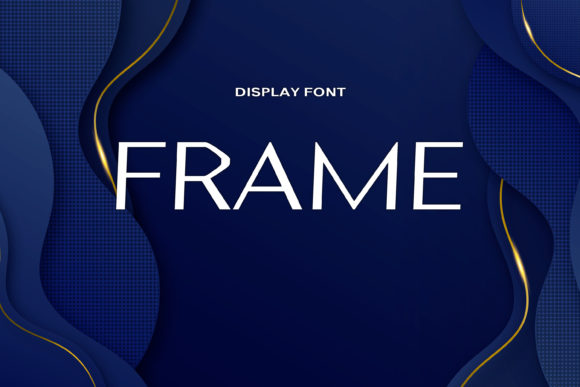
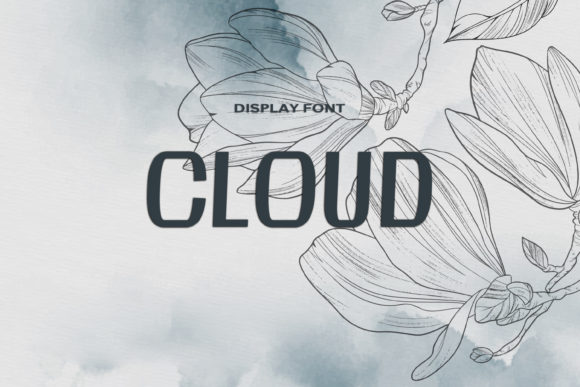
When comparing High to other popular display fonts, such as Bebas Neue or Playfair Display, it becomes clear that each font has its own unique strengths. High stands out for its boldness and authenticity, making it a great choice for projects that require a strong visual statement.
Unlike Bebas Neue, which is more geometric and modern, High has a more organic and handcrafted feel. This gives it a distinct personality that can be difficult to replicate. Similarly, compared to Playfair Display, which is elegant and serif-based, High offers a more contemporary and dynamic alternative.
These differences highlight the importance of choosing the right font for the right purpose. While High excels in certain areas, it may not be the best fit for every project. Understanding the strengths and limitations of each font allows designers to make informed decisions that align with their creative goals.
Conclusion
High is more than just a display font—it's a powerful tool that can elevate any design. With its bold, authentic appearance and versatile applications, it offers a unique blend of strength and personality that sets it apart from other fonts. Whether you're working on a brand identity, a website, or a print project, High can provide the visual impact needed to make your message stand out.