Untidy Style: A Quirky and Fun Display Font for Creative Projects
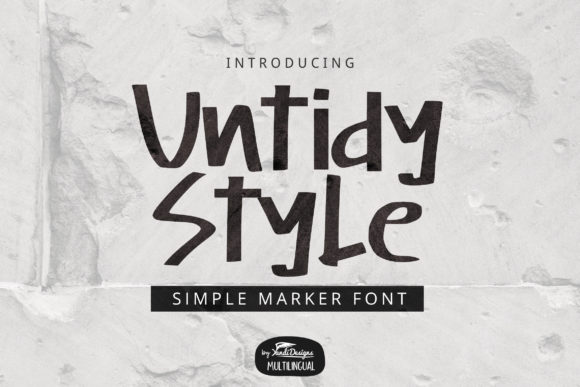
Untidy Style is a unique display font that stands out with its playful and irregular design. It’s not your typical serif or sans-serif typeface; instead, it embraces a sense of chaos and charm that makes it perfect for creative projects. Whether you're crafting handmade cards, designing digital content, or creating eye-catching presentations, Untidy Style offers a fresh and fun alternative to conventional fonts.
Why You Might Be Interested in Untidy Style
If you’re looking for a font that adds personality and character to your work, Untidy Style is worth considering. Its quirky nature makes it ideal for projects that require a bit of whimsy or uniqueness. From greeting cards to social media graphics, this font can elevate the visual appeal of your content without being too overpowering.
Additionally, Untidy Style is versatile enough to be used across various mediums. It works well in both print and digital formats, making it a great choice for designers who want to maintain consistency across different platforms. Its irregular letterforms also make it visually engaging, which can help capture attention in a crowded digital space.
Benefits of Using Untidy Style
One of the main benefits of Untidy Style is its ability to convey a sense of fun and creativity. This font is particularly effective when you want to add a touch of playfulness to your designs. It can make your content feel more approachable and memorable, especially in contexts where a more traditional font might feel too formal.
Another advantage is its adaptability. While it may not be suitable for every project, Untidy Style can be paired with other fonts to create a balanced typographic composition. For example, using it for headings while keeping body text in a more readable font can enhance readability without sacrificing style.
Furthermore, Untidy Style is easy to use. Most font platforms offer it as a downloadable file, which means you can integrate it into your design workflow quickly. Its availability also makes it accessible to both beginners and experienced designers alike.
Considerations and Tradeoffs
While Untidy Style has many strengths, it’s important to consider its limitations. Because of its irregular and stylized design, it may not be the best choice for professional or formal documents. In such cases, a more structured and legible font would be more appropriate.
Additionally, Untidy Style may not render consistently across all devices and platforms. This can lead to issues with spacing, alignment, and overall appearance, especially if you're working on a website or application. To mitigate this, it's recommended to test the font in different environments before finalizing your design.
There’s also the issue of legibility. While the font is designed to be readable, some characters may appear slightly distorted or unclear, depending on the size and context in which they are used. It’s essential to ensure that the font is used in a way that maintains clarity, especially when conveying important information.
Situations Where Untidy Style Excels
Untidy Style shines in situations where creativity and individuality are valued. It’s an excellent choice for craft projects, such as handmade greeting cards, scrapbooking, and DIY decor. Its playful aesthetic aligns well with themes like birthdays, holidays, and general celebration.
In digital design, Untidy Style can be used effectively for social media posts, posters, and promotional materials. Its eye-catching nature can help your content stand out in a visually saturated online environment. It’s also useful for branding projects that aim to convey a fun and unconventional brand identity.
Presentations can also benefit from the use of Untidy Style, especially when the goal is to engage a younger or more casual audience. However, it’s important to use the font judiciously and pair it with more readable fonts for body text to maintain professionalism.
When to Consider Alternatives
While Untidy Style is a great option for many creative projects, there are situations where alternatives may be more suitable. For instance, if you’re working on a professional document or report, a more traditional and legible font like Times New Roman or Arial would be a better fit.
For digital content that requires high readability, such as websites or e-books, it’s advisable to use a font that prioritizes clarity over style. Fonts like Georgia, Verdana, or Helvetica are often preferred in these contexts.
Additionally, if you need a font that can be used across multiple languages or in technical documentation, Untidy Style may not be the best choice. It’s primarily designed for English text and may not support a wide range of characters or special symbols.
Making an Informed Decision
Choosing the right font depends on your specific needs and goals. If you’re looking for a font that adds a unique and playful touch to your work, Untidy Style is a strong contender. However, it’s important to evaluate how well it fits your project’s purpose, audience, and platform.
Consider testing the font in different scenarios to see how it performs. Experiment with pairing it with other fonts, adjusting sizes and spacing, and ensuring it meets your readability and aesthetic requirements. By doing so, you can make an informed decision that aligns with your creative vision and practical needs.