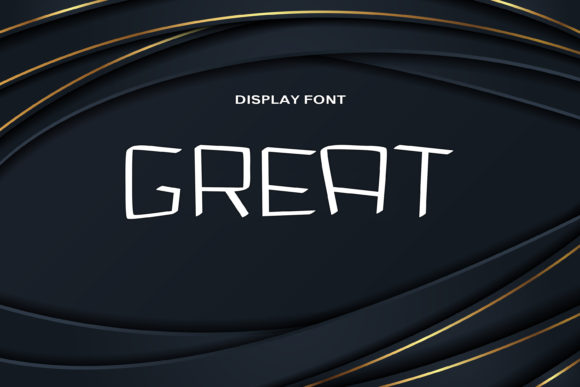
Gold
Gold is more than just a font—it's a strategic tool for communication, branding, and visual impact. As a bold, thick lettered and brushed display font, Gold offers a unique aesthetic that can elevate content in both digital and physical formats. Whether you're crafting marketing materials, designing presentations, or creating greeting cards, Gold provides a distinctive way to capture attention and convey confidence.
The Strategic Value of Gold
When selecting a font, it's essential to consider not just its visual appeal but also its strategic role in your overall message. Gold stands out because of its boldness and texture, which can help reinforce key messages or create a memorable impression. In the world of branding, Gold can be used to symbolize value, prestige, and quality—attributes that resonate with audiences looking for trust and reliability.
For professionals and entrepreneurs, Gold can serve as a powerful tool in building brand identity. Its strong visual presence makes it ideal for headlines, logos, and promotional materials where first impressions matter. When used thoughtfully, Gold can help differentiate your brand from competitors and establish a consistent visual language that supports your messaging goals.
Use Cases for Gold
Gold is versatile and can be applied across a range of use cases depending on the context and purpose. Here are some practical scenarios where Gold can be strategically useful:
- Marketing Materials: Use Gold for headlines, taglines, and key selling points in brochures, flyers, and advertisements to draw attention and emphasize value.
- Digital Design: Incorporate Gold into web headers, banners, and call-to-action buttons to create a sense of urgency and exclusivity.
- Presentations: Apply Gold to slide titles and important data points to ensure they stand out and are easily digestible.
- Greeting Cards: Utilize Gold for wedding invitations, birthday cards, and event announcements to add a touch of elegance and sophistication.
- Branding: Integrate Gold into your logo design or website typography to reflect professionalism, luxury, and long-term value.
Each of these use cases highlights how Gold can be leveraged to support specific goals and outcomes. However, its effectiveness depends on how well it aligns with the overall strategy and audience expectations.
Planning and Positioning with Gold
Before implementing Gold in your projects, it's crucial to plan and position it within your broader communication strategy. Consider the following questions:
- What is the primary goal of using Gold? Is it to attract attention, build brand recognition, or enhance readability?
- Who is the target audience, and what does Gold communicate about your brand or message?
- How does Gold fit with the rest of your visual design elements, such as color schemes, imagery, and layout?
- Are there any potential risks or limitations associated with using Gold in this context?
By answering these questions, you can ensure that Gold is used intentionally rather than randomly. This approach helps avoid common pitfalls, such as overuse, misalignment with brand values, or confusion among your audience.
Decision-Making and Long-Term Results
Using Gold effectively requires thoughtful decision-making and a focus on long-term results. While its bold appearance can be striking, it's important to balance visual impact with clarity and usability. Over-reliance on Gold without clear goals or context can lead to a lack of consistency, reduced readability, and diminished brand credibility.
Consider the following strategies to maximize the benefits of Gold:
- Limit Use: Reserve Gold for key elements like headlines, logos, and call-to-action sections to maintain visual hierarchy and focus.
- Pair with Complementary Fonts: Combine Gold with simpler, more readable fonts for body text to ensure accessibility and clarity.
- Test Across Platforms: Ensure that Gold looks great on all devices and platforms, including mobile, to maintain a cohesive brand experience.
- Monitor Feedback: Gather insights from your audience and stakeholders to refine your use of Gold and adjust based on real-world performance.
These practices help ensure that Gold remains a valuable asset rather than a distraction. By focusing on strategic implementation, you can achieve better results and build stronger connections with your audience.
Risks of Misusing Gold
While Gold has many advantages, it's not without risks. One of the most common issues is overuse, which can dilute its impact and make it less effective. If Gold is used too frequently or inappropriately, it may lose its ability to capture attention and convey meaning.
Another risk is misalignment with brand identity. Gold communicates strength, luxury, and value, so it should be used in contexts that reflect these attributes. Using it in environments that don't match its intended message can confuse your audience and weaken your brand's perceived value.
Additionally, Gold's thick, brushed style may not be suitable for all types of content. For example, it might be difficult to read in small sizes or on low-resolution displays. Always test Gold in different formats and environments to ensure it meets your functional and aesthetic requirements.
Conclusion
Gold is a powerful tool when used strategically. Its bold, thick lettering and brushed design make it ideal for capturing attention and reinforcing key messages. Whether you're working on branding, marketing, or creative projects, Gold can help you achieve better results by supporting your goals, enhancing communication, and creating a lasting impression.
However, its effectiveness depends on thoughtful planning, intentional use, and alignment with your overall strategy. By considering the right use cases, positioning, and decision-making approaches, you can leverage Gold to drive meaningful outcomes and build a stronger connection with your audience.