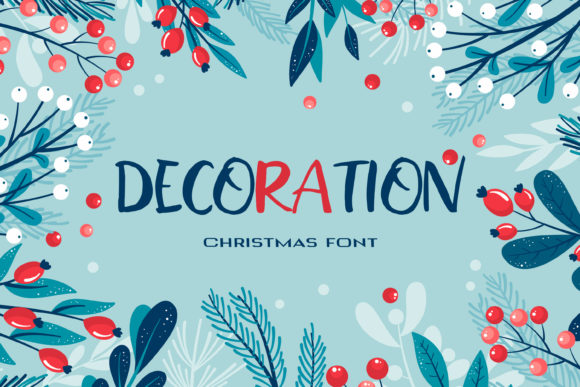
Decoration: A Simple and Neat Lettered Display Font
Decoration is a display font that stands out for its clean lines, elegant structure, and versatility. Whether you're designing a logo, crafting a website, or creating marketing materials, Decoration offers a unique blend of simplicity and sophistication that can elevate your visual projects. Its balanced proportions and consistent spacing make it ideal for both digital and print media, ensuring readability without sacrificing style.
Why Decoration Matters in Design
For creators across various fields—entrepreneurs, marketers, educators, and freelancers—having the right fonts can make all the difference. Decoration is more than just a pretty typeface; it's a tool that enhances communication and adds visual interest to any project. Its clean aesthetic works well with minimalistic designs, while its subtle flair makes it suitable for more creative or artistic applications.
One of the key strengths of Decoration is its adaptability. It can be used for headings, body text, or even as an accent font. This flexibility means it can fit into a wide range of design contexts, from branding to social media graphics. However, like any font, Decoration has nuances that users should be aware of to avoid common pitfalls.
Common Mistakes When Using Decoration
Many designers overlook the importance of understanding how a font behaves in different environments. Here are some common mistakes people make when working with Decoration:
- Ignoring font pairing: While Decoration is visually appealing on its own, using it alongside poorly matched fonts can create visual clutter. Pairing it with a complementary sans-serif or serif font can help maintain balance.
- Overusing the font: Applying Decoration too frequently can dilute its impact. It's best used sparingly, such as for headlines or emphasis, rather than throughout entire documents.
- Not considering readability: Although Decoration is designed to be legible, it may not always be the best choice for long blocks of text. Always test how the font performs in real-world scenarios.
- Failing to check licensing: Some versions of Decoration may require purchase or subscription. Before downloading or using the font, verify whether it's free for commercial use or if there are restrictions.
How These Mistakes Can Affect Your Work
Making these errors can lead to several issues, including poor user experience, legal complications, and diminished design quality. For example, using Decoration inappropriately can make content appear unprofessional or confusing. On the other hand, improper licensing can result in costly penalties or damage to your brand's reputation.
Additionally, not considering font pairing or readability can reduce the effectiveness of your message. A font that looks great in isolation might not work well when integrated into a larger design. This is especially important for marketers and bloggers who rely on clear and engaging visuals to capture attention.
Practical Tips for Using Decoration Effectively
To get the most out of Decoration, consider the following tips:
- Use it strategically: Save Decoration for headlines, logos, or call-to-action buttons. Avoid using it for large amounts of body text.
- Test in different formats: Ensure that Decoration looks good in both digital and print formats. Check how it appears on various devices and screen sizes.
- Pair wisely: Combine Decoration with fonts that complement its style. A modern sans-serif or a classic serif can create a harmonious contrast.
- Check licenses carefully: If you're using Decoration for commercial purposes, make sure you have the appropriate license. Some fonts may require a one-time purchase or a subscription.
- Experiment with weights and styles: Decoration often comes in multiple weights and styles. Experimenting with these can add depth and variety to your designs.
Realistic Examples and Better Approaches
Imagine you're designing a website for a boutique store. You could use Decoration for the header and product titles to draw attention, while using a simpler sans-serif font for the body text. This approach keeps the design clean and ensures readability without overwhelming the user.
Another scenario involves creating a social media post. You might use Decoration for the headline to stand out, then pair it with a bold, contrasting font for the subheadline. This creates a visual hierarchy that guides the viewer's eye through the content effectively.
What to Check Before Using Decoration
Before finalizing your design, take a moment to evaluate the following:
- Font weight and style: Does the chosen weight and style match your design goals?
- Readability: Is the font easy to read at different sizes and on various backgrounds?
- Licensing and cost: Are you allowed to use the font in your intended application?
- Compatibility: Will the font work across all platforms and devices?
- Aesthetic harmony: Does the font align with the overall tone and style of your project?
By taking these factors into account, you can ensure that Decoration is used in a way that enhances, rather than detracts from, your design.