Augsburg: A Bold and Thick Display Font for Impactful Design
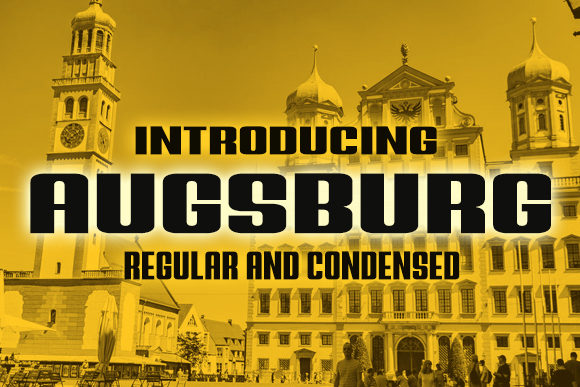
Augsburg is a bold and thick lettered display font that stands out in any design project. Its strong visual presence makes it ideal for headlines, logos, and other prominent text elements. Designed to command attention, Augsburg offers a unique combination of strength and elegance that can elevate the overall aesthetic of any creation.
What Makes Augsburg Distinct?
At first glance, Augsburg appears as a straightforward display font, but its design is anything but simple. The font features clean, geometric shapes with a consistent weight and thickness across all characters. This uniformity gives it a modern and professional look while maintaining a sense of power and authority.
The thickness of each letter contributes to its boldness, making it highly legible even at smaller sizes. However, this same thickness also means that Augsburg is not the best choice for long passages of text. It’s designed to be used where impact matters most—such as in headers, titles, or promotional materials.
One of the standout features of Augsburg is its versatility. While it’s primarily a display font, it can be adapted to various design contexts with careful application. Its clean lines and strong structure make it suitable for both digital and print media, offering designers a reliable option for high-impact visuals.
Comparing Augsburg with Similar Options
When evaluating display fonts, it’s important to consider how they stack up against alternatives. Augsburg shares similarities with other bold display fonts like Bebas Neue, Montserrat Bold, and Playfair Display Bold. However, each of these fonts has its own unique characteristics that may make it more suitable for specific projects.
Bebas Neue, for instance, is known for its extreme boldness and lack of serifs, which gives it a very modern and edgy feel. In contrast, Augsburg maintains a more balanced and refined appearance. While Bebas Neue might be better suited for tech or fashion branding, Augsburg offers a more versatile option for general use.
Montseratt Bold, on the other hand, is a sans-serif font with a clean and minimalistic design. It’s often used in web design due to its readability and adaptability. Unlike Augsburg, Montserrat does not have the same level of thickness or visual weight, which means it lacks the commanding presence that Augsburg provides.
Playfair Display Bold is another popular choice for display purposes, particularly in editorial and luxury branding. It features a more traditional and elegant look, which contrasts with the modern and bold nature of Augsburg. While Playfair Display may be preferable for certain creative fields, Augsburg remains a strong contender for those seeking a more contemporary and powerful font.
Strengths and Tradeoffs of Using Augsburg
Augsburg excels in situations where visual impact is key. Its bold and thick lettering makes it an excellent choice for creating attention-grabbing headlines or logos. It also performs well in environments where clarity is essential, such as signage or packaging.
However, there are tradeoffs to consider. Due to its heavy weight, Augsburg may not be the best option for extended body text. It can appear overwhelming when used in large blocks of content, which limits its applicability in certain design scenarios.
Another consideration is its limited character set. While it includes the standard Latin alphabet, it may lack support for special characters or accented letters found in many languages. This could be a drawback for designers working on international projects or multilingual content.
Additionally, the font’s uniform thickness can sometimes make it difficult to distinguish between similar characters, such as i and l, or s and 5. This can lead to potential misinterpretation, especially in contexts where precision is crucial.
Best-Fit Situations for Augsburg
Augsburg is particularly well-suited for use in the following scenarios:
- Logos and Branding: Its bold and thick design makes it an excellent choice for creating memorable brand identities. It adds a sense of strength and confidence to logos, which can help reinforce a company’s image.
- Headlines and Titles: Whether it’s for a website, magazine, or social media post, Augsburg can draw attention to key messages with its commanding presence.
- Signage and Wayfinding: In public spaces, Augsburg’s clear and strong typography ensures that information is easily readable from a distance.
- Artistic and Creative Projects: Its distinctive style can add a unique touch to creative designs, whether in print or digital formats.
In these cases, Augsburg’s strengths in visibility and impact become its greatest assets. It helps designers create visuals that are not only visually appealing but also effective in communicating their intended message.
When to Consider Alternatives
While Augsburg is a powerful font, it may not always be the best choice. There are several situations where alternative fonts might be more appropriate:
- Long Text Content: For articles, reports, or any form of extended writing, fonts like Roboto, Open Sans, or Lato offer better readability and comfort for readers.
- International Projects: If your design requires support for multiple languages or special characters, fonts like Segoe UI or Deja Vu provide broader coverage and greater flexibility.
- Subtle or Minimalist Designs: When a more understated or refined look is desired, fonts like Helvetica Neue or Proxima Nova offer a cleaner and more sophisticated alternative.
- Technical or Scientific Writing: In academic or technical contexts, fonts like Times New Roman or Georgia are often preferred for their traditional and professional appearance.
Choosing the right font depends on the specific needs of the project. Augsburg is not a one-size-fits-all solution, but it is a valuable addition to any designer’s toolkit when used appropriately.
Making an Informed Decision
When selecting a font like Augsburg, it’s important to evaluate your project’s goals and audience. Ask yourself questions such as: What is the primary purpose of the text? Who is the target audience? How will the font be used in context?
Consider the tone and message you want to convey. Does the design need to be bold and commanding, or should it be more subtle and elegant? Will the font be used in isolation or as part of a larger design system?
Testing different fonts in real-world scenarios can also help determine which one works best. Previewing how Augsburg looks in different sizes, colors, and backgrounds can reveal its strengths and limitations in practice.
Ultimately, the goal is to choose a font that enhances the overall design without overshadowing the content. Augsburg is a strong candidate for projects that require visual impact, but it’s not the only option available. By understanding its strengths, tradeoffs, and best-fit situations, you can make a more informed decision about whether Augsburg is the right choice for your next design project.